

I cannot escape my frustration with New York's insistence on calling a flat white a cappuccino. And since I can’t escape it, I know a more profound injustice is happening here.
Of course, New Yorkers think they invented the style of cappuccino they make here, which is a flat white, but some say there’s a difference with slightly more foam, splitting hair-sized bubbles. It’s ridiculous and not even a discussion Australians tend to engage in, so confident as the sky is blue that the flat white is Australian (or maybe Kiwi, but either way, Antipodean) and any rendition on it is inspired by it. The timeline puts this insistence that New Yorkers have into a ridiculous reality. Australia and New Zealand have been making this style of coffee for 40 years (mid to late 80s). New Yorkers discovered you didn’t have to burn coffee about 10 years ago. It was common for Australians to warn each other, and still is, about the terrible coffee in the US. We even advise that Starbucks is the best of the worst if you’re on the road in the US, despite how well-known their terrible take on coffee is. The conversation would start like this: “I know it sounds crazy, but honestly, you’re better off going to Starbucks.” (I think culture changes more slowly than it seemingly does and Starbucks isn’t a European coffee house but an update to the American milk bar, replete with sugary shakes. It’s a dessert store).
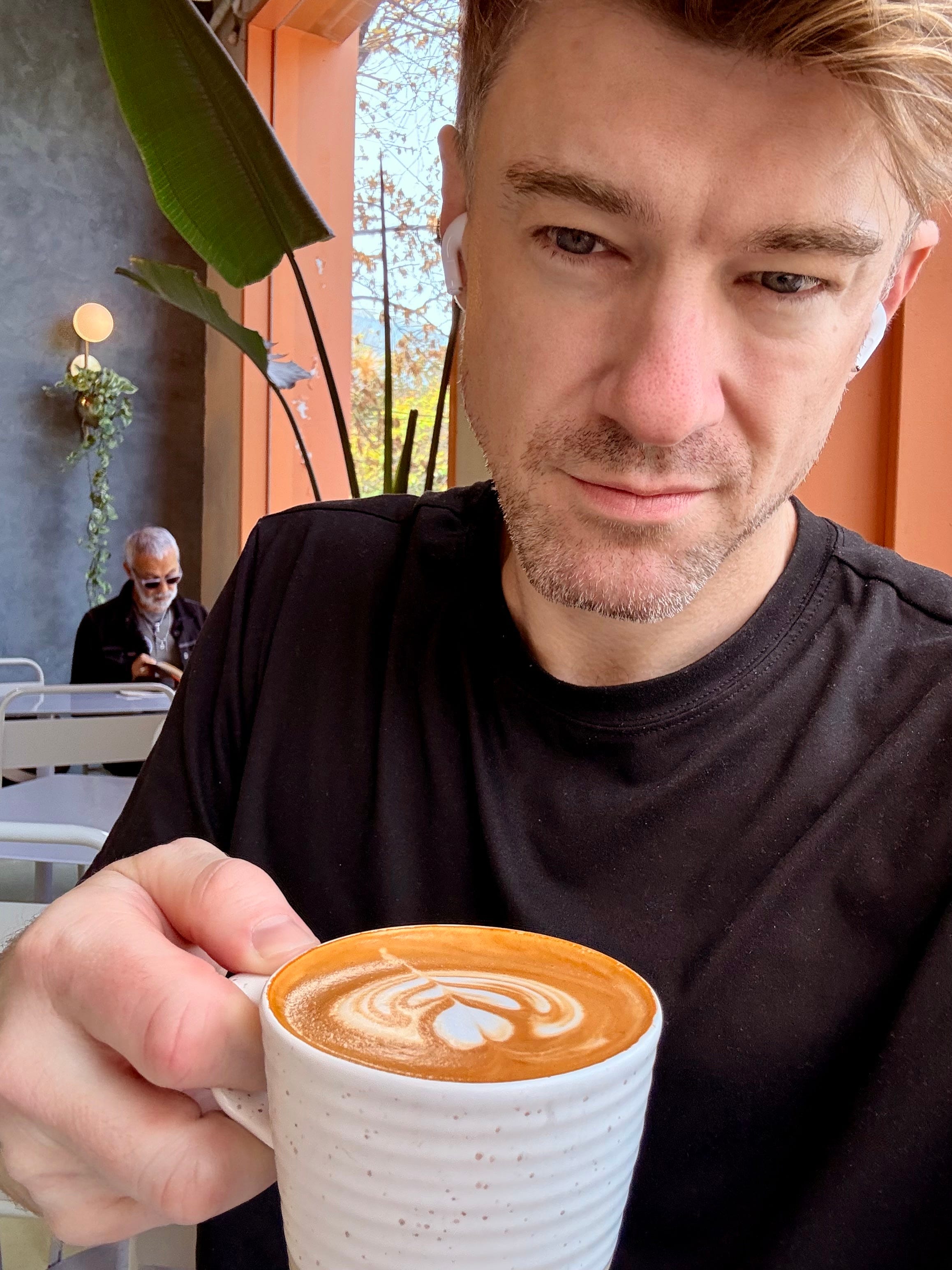
When I first visited New York in 2013, I was shocked to find one good cafe in the East Village and thought: I have to live here (five years later, I did). I told the barista, “Wow, this is as good as Australian coffee!” He snapped, “Maybe Australian coffee is as good as this.” I looked puzzled, unaware that someone could be so unaware. It was the tip of an iceberg of ignorance I would later live through. Returning on another visit in 2015, I remember making a flat white with components from a cafe. We asked for espresso and steamed milk in two separate cups, which we then combined to make into a flat white, using the right amount of foam, and ensuring the milk was not too hot to avoid bitter burning. When I moved here in 2018, I was excited by the next evolution where I could Google ‘Australian coffee’ and have several great cafes pop-up. New York was getting a group handle on coffee.
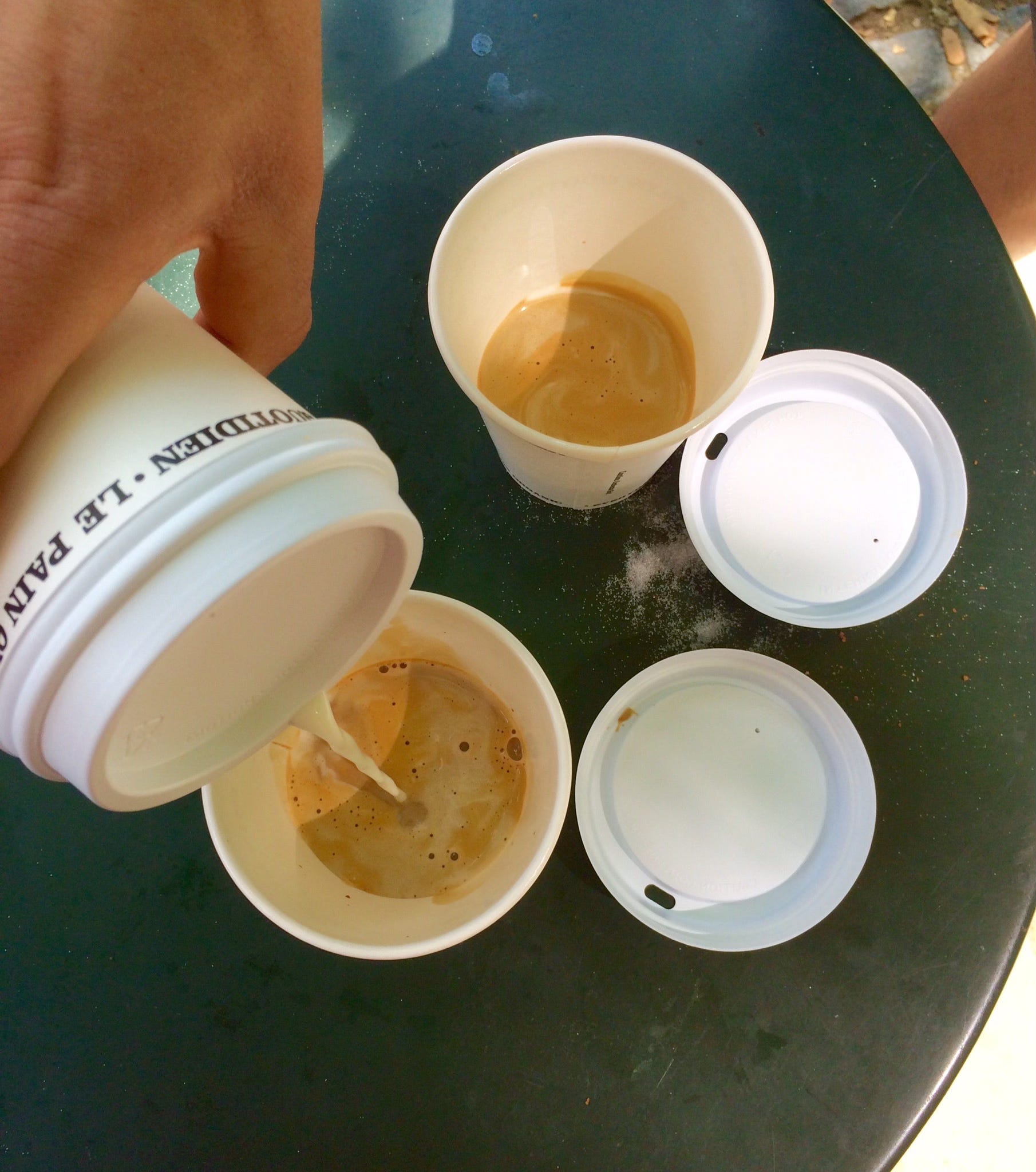
I’m aware I have an addiction. It’s the texture that I am particularly sensitive to. The smoothness of the foam while having a coffee and milky sweetness in every sip is particular to flat whites. It’s a physical sensation my sensory sensitivity adores. And this is very ADHD, goes without saying.
As a brander, I can appreciate why the Australian verbiage was initally a challenge. I still remember Americans being puzzled by the colored language of our coffee, scanning it for racial undertones—not just flat white, but also long black, and short black. It required a chain, Starbucks, to make the verbiage famous in the Americas.
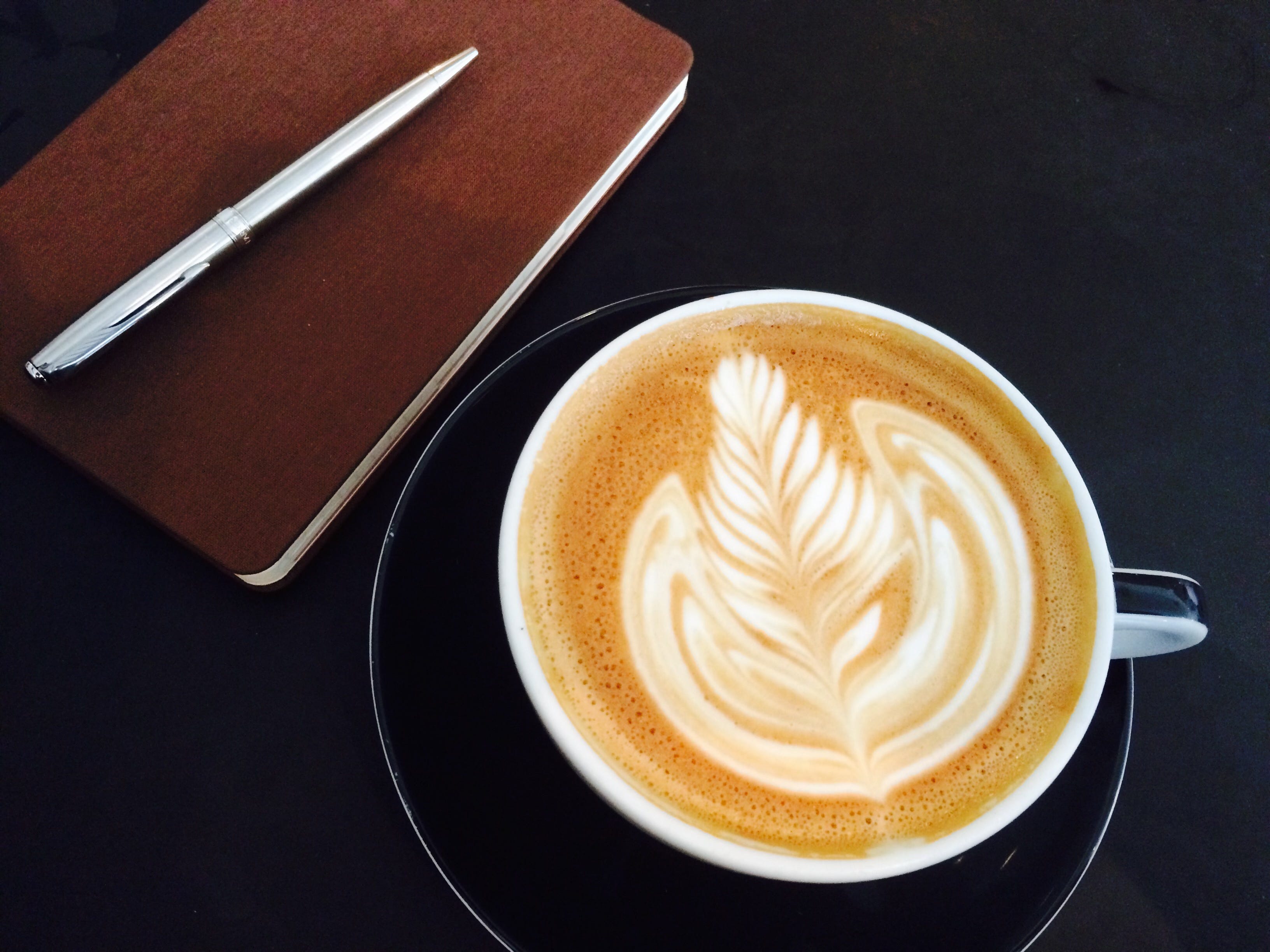
As you can imagine, I have happened to mention from time to time to New York friends and even baristas—if we’re on friendly terms—that the cappuccino they’re making is basically a flat white, and certainly not a cappuccino, with its lack of tall foam and cocoa dust. Baristas have been politely perplexed (‘why are you telling me this?’), and friends seem initially skeptical. This isn’t even hard to fact-check; it’s on Wikipedia, where there’s no mention of the New York rendered cappuccino.
My obsession with this is odd. It’s something I’ve introspected on at length. It all started when I got told, “We just do cappuccinos, which is the same.” I think that was particularly upsetting. I felt that this tie to my culture had made itself successful in this big, bad city. And then I was told, ‘it’s not yours, it’s ours.’ And that hurt. It’s like a Mexican going to a restaurant that serves New York-style corn wedge sandwiches being told, ‘No, it’s not a taco.’
While I certainly worry that this is an identity issue for me, tied to a sense of insecurity, I also wonder why it’s so hard to update their thinking. Yes, I’m holding on to this, but what are they holding on to?
In Mexico City this year, I found a cafe called “Flat White” and made a beeline. I told them I loved the name as an Australian, and they said they didn’t know it was Australian, but since it is, I’ll have to tell them what I think of their flat whites. I said, “Oh no, I wouldn’t dare.” She could tell I cared, so she invited me to show them how (I have been hoping for this moment for a long time and almost thought of asking cafes in New York if I could make my own). Bit late in the piece to mention this, but I was trained as a barista and it was my job for much of my time at university. As you can see from this video, my joy was overwhelming.
I don’t know why New Yorkers are so steadfast. My guesses are two: it doesn’t fit their Steve Irwin image of brand Australia to be perfectionist obsessives with subtle flavors and styles (ironically, Steve Irwin was popular because he’s more American in affect than Australian). My second guess is that Americans are surprisingly herd-like: if their tribe is confident in what it knows, shifting them can be very hard. I’m talking to baristas who were trained by some militant hipster Brooklyn barista who berated them for their small-town Ohio mind.
The answer I land on, though, is that they are steadfast in just lacking any care to change. Even though I’m showing that it matters to me. I care, and why is that not enough? They say, ‘New Yorkers aren’t nice, but they are kind.’ I’ve never quite thought that this was true because these reactions are still closer to nice than kind. And I think people who say that need to visit Mexico.
- I looked puzzled, unaware that someone could be so unaware... it may look like an obsession you have with flat whites (and yes) but it’s actually a deep look into how to care about other peoples cultures.